
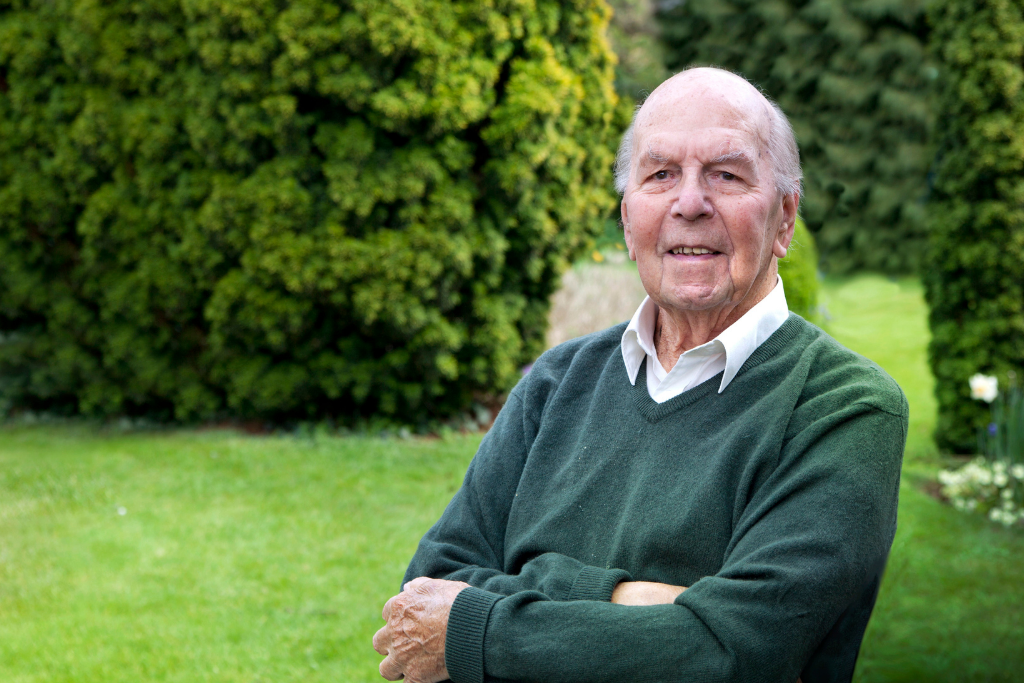
Introducing Christine Porter: Director of Healthcare Partnerships
.png)
Tell us about your background and how you came to work in healthcare, particularly in relation to virtual care or digital health services.
I actually started my career in IT rather than healthcare. My early roles were in IT support and systems training, helping people understand and get the most from new technology. Looking back, that was my introduction to digital transformation, although we probably didn't use that term at the time.
I entered healthcare almost by accident, but quickly realised it was where I wanted to stay. It was meaningful work that let me apply my technology and service improvement experience to benefit patients and care teams. I’ve worked across various healthcare services, including radiation oncology, high-tech homecare, and an NHS community trust strategy role, which gave me a real appreciation for the day-to-day pressures NHS teams face.
Recently, I’ve focused on virtual care, remote monitoring and virtual wards, supporting NHS organisations as they introduced new ways to help more people safely at home. That work showed me technology is just one part of the solution; the real opportunity is in using it to enable better, more joined-up care.
Today, I’m applying my virtual care experience to broader health and care challenges. Technology-supported care can bring health and care closer together, enabling earlier intervention and proactive support to help people stay safe, independent, and well for longer.
What kinds of challenges have you worked on in virtual care, remote monitoring, or digitally enabled pathways?
Throughout my time working in virtual care, I've found that the biggest challenges are rarely about the technology itself. More often, they're about helping people adapt to new ways of working.
My early career taught me the importance of relationships and what drives behaviour. That background still shapes how I work: listening, understanding daily realities, and building trust before trying to solve problems. When people feel involved in shaping change, they’re much more likely to embrace it.
How does delivering care virtually differ from traditional face-to-face care in terms of workflow, coordination, and patient experience?
Anyone involved in virtual care delivery knows that it isn’t simply face-to-face care delivered differently. It changes the way people work, the way teams communicate and, in many cases, the way patients experience care.
Virtual care allows earlier intervention and more proactive support, instead of waiting for the next appointment. Making this work takes more than technology; it depends on clear processes, good communication, and strong relationships between clinical and operational teams. Strong clinical leadership is essential; without it, even the best technology can’t deliver results.
For patients, virtual care can make healthcare feel like part of daily life. Many appreciate being monitored or supported from home, without travelling to appointments. Still, it’s not right for everyone; some need or prefer face-to-face care, and everyone should have a choice.
In my mind, that's what good virtual care looks like. It's not about replacing traditional care; it's about giving people more choice and making it easier to provide the right support at the right time.
Can you share an example where virtual care made a real difference to patient outcomes, service efficiency, or clinical decision-making?
One example will stay with me throughout my career, and it wasn't about technology at all. It was about what became possible because care could be delivered differently.
Earlier in my career, I helped establish a service allowing patients on intravenous antibiotics to complete their treatment at home instead of in hospital. Many only needed a hospital bed for regular IV antibiotics; with proper clinical oversight and community support, they could safely recover at home.
I recall helping an NHS team quickly arrange for one man to go home and spend Christmas with his elderly wife rather than stay in hospital. For that couple, it meant everything. It reminded me that improving services isn’t just about efficiency or capacity; it’s about letting people recover in familiar surroundings and spend precious time with loved ones.
That experience was likely my first real introduction to virtual care. At the time, remote monitoring technology wasn’t available, and some high-risk patients had to stay in hospital. It’s remarkable to see how far we’ve come; when designed well, virtual care improves outcomes for patients and makes better use of NHS resources.
What excites you most about the future of virtual care in the NHS over the next few years?
What excites me about the future of virtual care is the chance to support more people before they become seriously unwell.
We've made huge progress in using virtual care to support people with existing health conditions, helping them stay safely at home while remaining connected to clinical teams. But I think we're only just beginning to realise what's possible.
We have to think about the people who aren't acutely unwell yet. Someone living with a neurological condition whose needs are starting to change. Someone experiencing a decline in their mental health. An older person becoming increasingly frail after a minor illness or fall. These are the people where earlier intervention could make all the difference, helping to prevent a crisis rather than responding once it's happened.
The exciting part is that we already have much of the technology needed. The next step is to bring health and care together more closely, not just monitoring clinical data, but also recognising changes in wellbeing, independence, or support needs. Seeing the whole picture allows for earlier intervention, greater independence, and truly person-centred care.
That’s the future of virtual care: not just monitoring illness, but helping people stay well.
From your perspective, what do clinical and operational leaders most need to scale virtual care services successfully?
Clinical and operational leaders don't need convincing that services need to change. They already know that. What they need is the confidence that virtual care will work for their patients, their teams and the way their services are delivered.
I've found that confidence comes from involving people early, listening to what matters to them and taking the time to understand how services really work. Every organisation is different, and every team has its own challenges. I don't think you can successfully introduce virtual care without recognising that.
I've also learned that implementing virtual care is about much more than introducing technology. It's about redesigning pathways, supporting people through change, and allowing teams to shape how new services are introduced. For me, that's what makes the difference. The technology is important, but it's the trust, relationships and shared sense of purpose that allow virtual care to become part of everyday practice.
What’s one common misconception people have about virtual care?
There was a time when NHS teams thought that virtual care would replace face-to-face care. In reality, it's about giving people more choice and making it easier to deliver the right care in the right place at the right time.
When managing virtual care services, what early signs do you look for that a patient or service may need escalation or additional support?
As a non-clinician, I can’t speak to individual patient needs. For services, though, changes in behaviour or engagement often signal that a team is struggling to follow the processes supporting service delivery.
What makes it difficult to integrate virtual care effectively with in-person services?
The challenge is redesigning pathways and bringing people with you so that virtual and face-to-face care feel like one joined-up service.
What do you think is the most valuable benefit virtual care can bring to patients and staff when it works well?
For me, it’s about empowering patients and their families to feel safe at home for longer, while providing clinical teams with clearer insights and more chances to act early.
Can you describe a time when virtual care challenged assumptions about how patients want to access or receive care?
In my experience, patients don't necessarily want virtual care instead of face-to-face care – they want the option that's appropriate for them at the time, and they will trust their care teams to make the right decision with them. When given the choice, patients are often far more willing to embrace new ways of receiving care than clinical teams expect – they want to go home and get better!
One assumption I've seen challenged is that older people, particularly those living with frailty, won't engage with virtual care. I've heard teams say their patients are too old or too frail for remote monitoring. Yet, evidence demonstrates the opposite - patients living with frailty often show better adherence than non-frail patients. For me, it acts as a reminder that we should never make assumptions about what people are willing or able to do, if it means avoiding a hospital admission.
Transform care beyond the hospital walls
Whether you're developing virtual wards, expanding remote monitoring services, or delivering proactive community care, our Virtual Care team is here to support you every step of the way. To continue the conversation, connect with Christine Porter on LinkedIn.
Alternatively, get in touch with our Virtual Care team by completing our contact form or call us on 0330 3802236. We'd be delighted to discuss how Kensa Health can help you deliver safe, effective care closer to home.
.png)


.webp)