Why Remote Patient Monitoring Is Essential for Effective Population Health Management
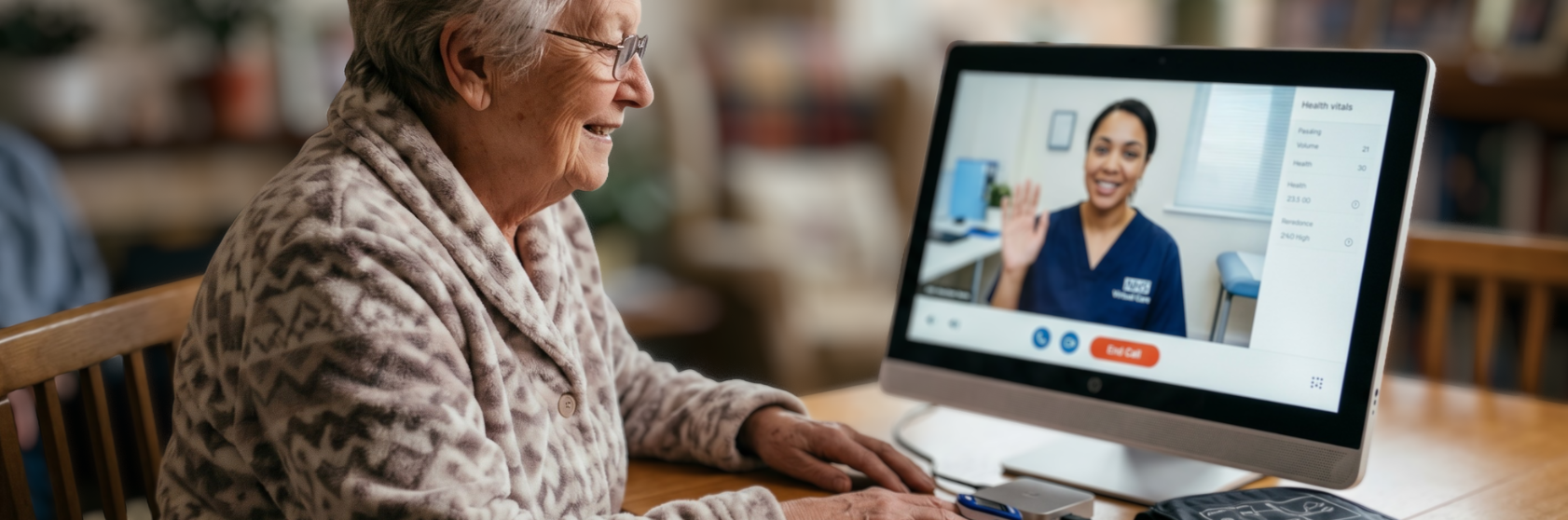
Healthcare systems across the UK are under increasing pressure. An ageing population, rising rates of long-term conditions, workforce shortages, and growing demand for community-based care are challenging traditional models of healthcare delivery. To address these challenges, providers must move beyond reactive care and embrace proactive, data-driven approaches to population health management, and Remote Patient Monitoring (RPM) has emerged as one of the most effective tools for achieving this shift.
The Challenge of Population Health Management
Population health management aims to improve outcomes across entire patient populations while reducing unnecessary demand on services. This requires identifying individuals at risk, coordinating care across multiple services, and intervening early to prevent avoidable hospital admissions. But this is difficult when healthcare teams only have visibility of patients during scheduled appointments or after a crisis has already occurred. To deliver truly preventative care, clinicians need continuous insight into patient health between appointments.
How RPM Supports Better Population Health
RPM bridges the gap between episodic and continuous care. By collecting and analysing patient health data remotely, healthcare teams gain real-time visibility into patient wellbeing and can respond proactively when concerns arise. Many long-term conditions — respiratory disease, heart failure, diabetes, hypertension — show measurable signs of deterioration before urgent intervention is needed. Remote monitoring enables clinicians to detect these changes sooner, support better management of chronic disease, reduce hospital admissions and readmissions, and engage patients as active participants in their own care.
Supporting the Shift from Reactive to Preventative Care
One of the primary objectives of modern healthcare is to move from treating illness to preventing it. RPM provides the data and visibility needed to make this a reality — helping teams prioritise resources towards individuals most at risk, and aligning closely with NHS ambitions to deliver more care in community settings, improve outcomes, and reduce health inequalities.
The Importance of an Integrated Care Model
Technology alone is not enough. The greatest impact occurs when remote monitoring is combined with coordinated clinical and social care. At Kensa Health, we recognise that effective population health management requires a connected ecosystem — bringing together healthcare professionals, care providers, patients, and families around a shared care plan. Kensa Health was founded to help bridge the gap between health and social care and create more seamless patient journeys. Our integrated care model combines clinical oversight, remote monitoring, home-based care services, and multidisciplinary coordination to ensure patients receive the right support at the right time, addressing not only medical needs but also the social and environmental factors that influence health outcomes.
Enabling Scalable Population Health Management with Kensa Virtual Care
The Kensa Virtual Care Platform enables healthcare organisations to deliver safe, scalable RPM and virtual care services across multiple patient pathways — supporting remote monitoring, virtual wards, preventative care programmes, and transitional care models. By providing clinicians with real-time patient data, configurable alerts, and integrated workflows, the platform helps identify deterioration earlier, support proactive interventions, and improve operational efficiency. Critically, it works as part of a broader integrated care strategy, ensuring digital monitoring is connected to the clinical and community services required to act on the insights it generates.
The Future of Population Health Management
As healthcare systems continue to evolve, RPM will play an increasingly important role in population health management. Organisations that combine real-time patient insights with integrated care delivery will be best positioned to improve outcomes, reduce costs, and meet growing demand. For healthcare leaders looking to transform population health outcomes, remote patient monitoring is no longer a future aspiration — it is an essential component of modern healthcare delivery.
Learn more about the Kensa Virtual Care Platform and how Kensa Health's integrated care model is helping healthcare organisations deliver safer, more connected care beyond hospital walls.
.png)




.webp)